
The story of Engine 2 SF: From firehouse to gathering place
Built for a city in recovery
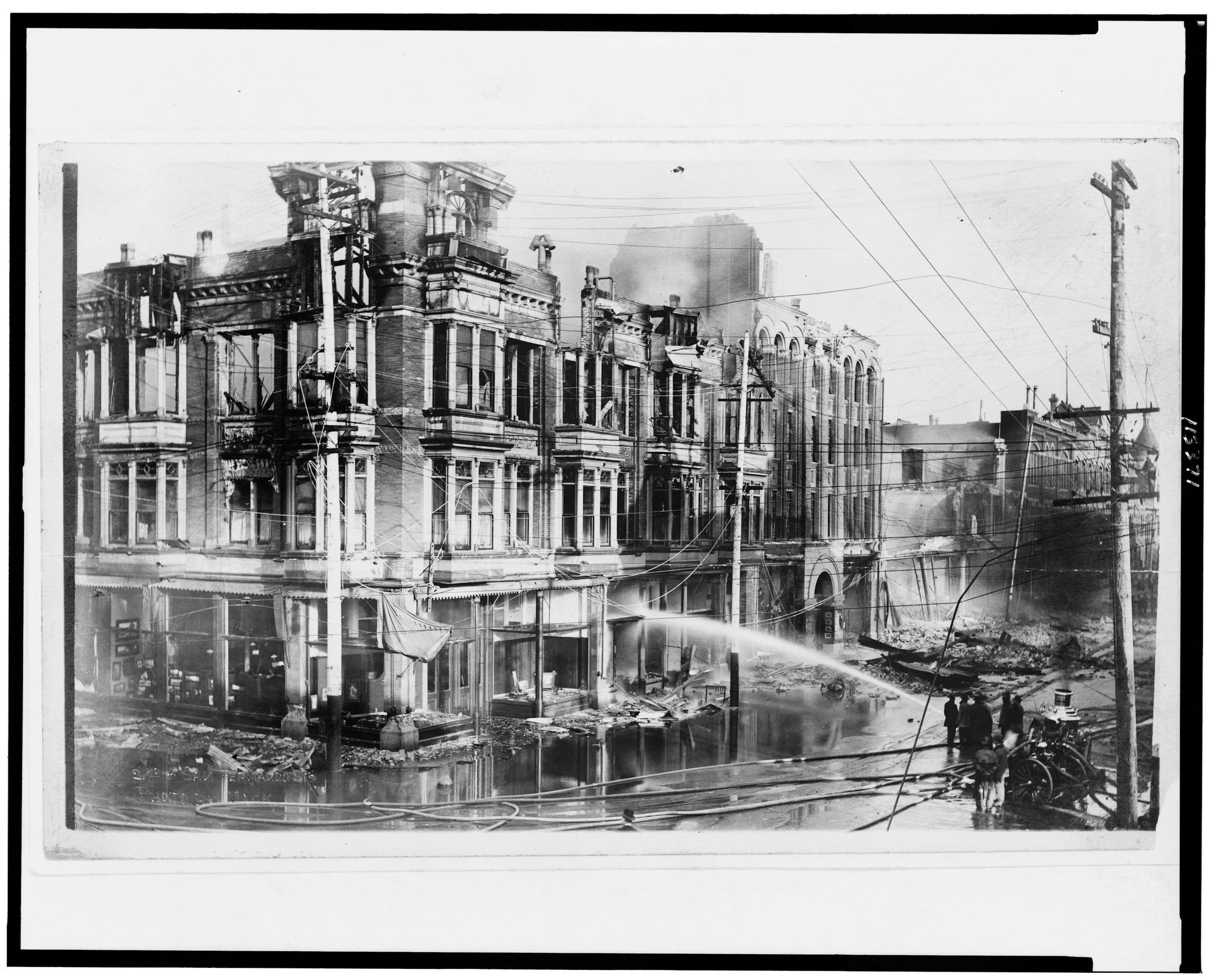
In 1908, San Francisco was rebuilding. Two years after the earthquake and fires devastated downtown, a new firehouse entered service at 460 Bush Street, near the edge of Chinatown.
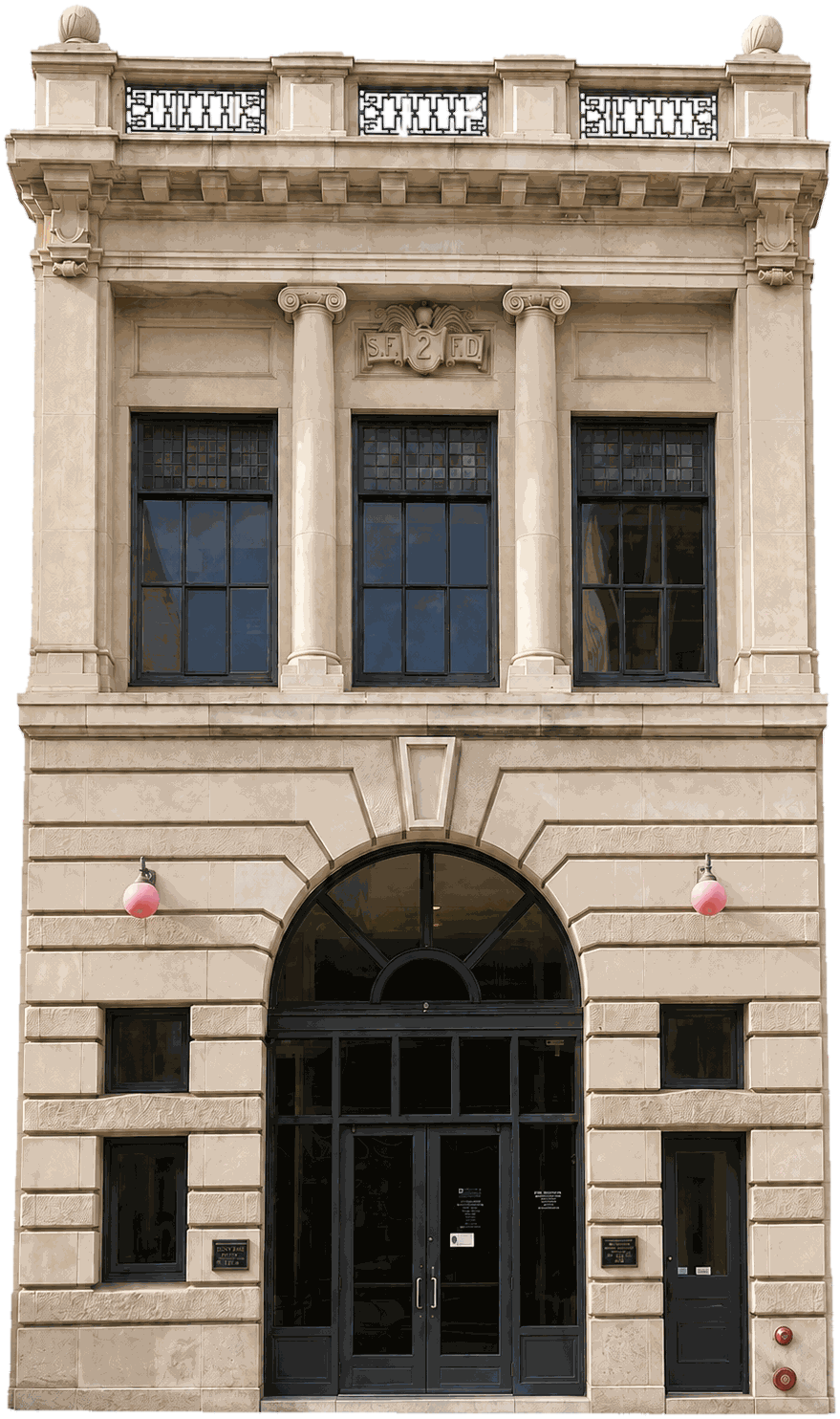
Designed by Newton J. Tharp, then San Francisco’s city architect, the Beaux-Arts building had the presence of an important civic landmark, even at a compact, human scale. Historical records identify it as the first firehouse rebuilt in the downtown district after the 1906 disaster and one of only three classically inspired firehouses ever built in San Francisco.
From working firehouse to landmark
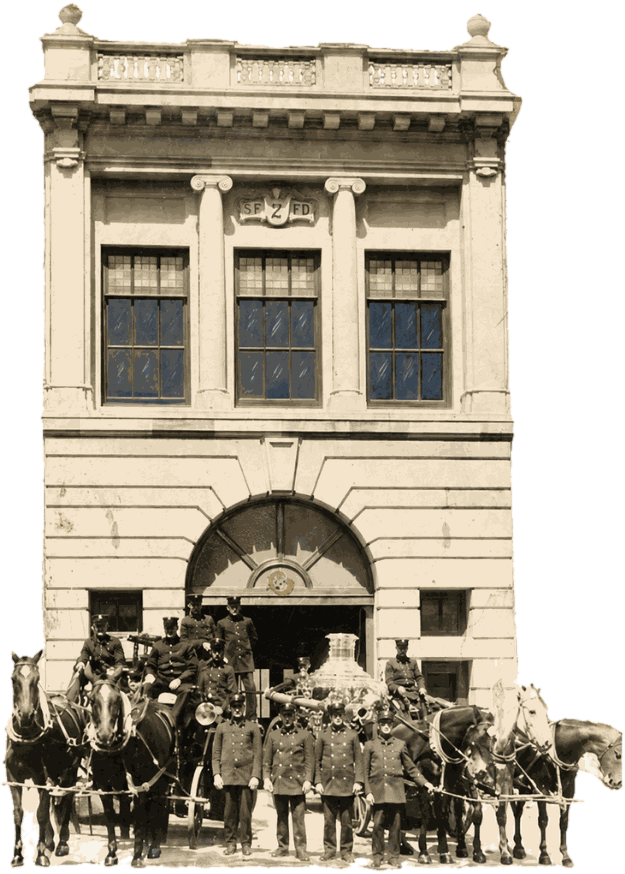
The firehouse belonged to a city in transition. It was built for a horse-drawn fire company, then adapted as motorized equipment changed firefighting. Engine Company No. 2 remained in service there until 1970.
In the decades that followed, the building served other purposes, including time as a bank, an art gallery, and an architectural studio. It was designated San Francisco Landmark No. 143 in 1981 and later listed on the National Register of Historic Places.
Much of the building’s story is still visible. The dramatic stone facade, distinctive arched entrance, historic cast-iron spiral staircase, and other preserved details give the space a sense of place that cannot be manufactured. A 2001 preservation project returned portions of the interior to their approximate historic configuration and installed a historic fire pole at the building’s original pole location.
A new chapter for Engine 2 SF
Now the firehouse is entering another chapter.
Engine 2 SF is restoring the building as a flexible event venue and a nonprofit home for learning and collaboration. Guests will enter through the lobby before moving into the Engine Room, the venue’s main hall and education suite, where everything ignites.
The Engine Room is being designed for meetings, workshops, continuing education, professional training, company offsites, weddings, celebrations, and private gatherings. Its architectural character can also support team photography, brand content, and other small creative uses within an event day.
That range is intentional. The best event spaces do more than hold a headcount. They shape how a gathering feels. The Engine Room can shift between lecture, classroom, boardroom, dining, and reception formats, while integrated presentation technology supports focused learning and polished events.
The private 960-square-foot Courtyard extends the venue outdoors, giving guests room to step outside, reset, and continue the conversations that often matter most.
The location matters, too. Engine 2 SF sits where Chinatown meets the Financial District, steps from the Dragon Gate and close to BART, MUNI, cable cars, hotels, restaurants, and public parking. Guests can arrive easily, explore the city between sessions, and return to a place that feels unmistakably rooted in San Francisco.
A landmark for learning
There is a larger purpose behind the venue. Engine 2 SF is a 501(c)(3) nonprofit formed to advance healthcare education, professional development, multidisciplinary collaboration, and community-based healthcare initiatives.
The organization is developing a place where healthcare professionals, trainees, residents, educators, and community health participants can learn across disciplines and build practical skills that strengthen care.
Access is part of that mission. Within certain educational programs, Engine 2 SF intends to reserve participation opportunities for public health clinicians, trainees, residents, and healthcare providers serving underserved communities.
The venue and the mission are two parts of the same story: a landmark building made useful again and a place where gatherings can create connection, knowledge, and momentum.
Restoration is underway, with opening planned for late 2026. Event inquiries are open now.
